The Truth About Aluminium Auto Body Repair: Why Metal Types Matter
Basco Collision Centre • November 17, 2026
Many drivers assume a dent is just a dent and any shop can simply hammer it out. The reality of modern vehicle manufacturing is far more complex due to the varying materials used on assembly lines today. Basco Collision Centre adapts to these industry changes to provide correct and safe fixes for every vehicle that comes through our doors. Understanding the specific requirements of your car's metal structure prevents ruined panels and voided factory warranties.
The physical properties of lighter alloys differ entirely from traditional metals when exposed to stress and heat. Treating these newer materials the same way you treat standard steel guarantees a compromised structural repair. Trade professionals know that metal memory dictates the entire repair approach from start to finish. Our team relies on hands-on expertise to ensure your vehicle returns to its original factory strength and safety standards.
Inside this article:
● Material behavior: How lighter alloys react to impact differently than steel
● Cross contamination risks: The danger of mixing metal dust in a repair bay
● Specialized equipment: Why proper repairs require dedicated tooling
● Trade reality: What professionals know about fixing modern vehicle frames
How Metal Properties Dictate the Repair Process
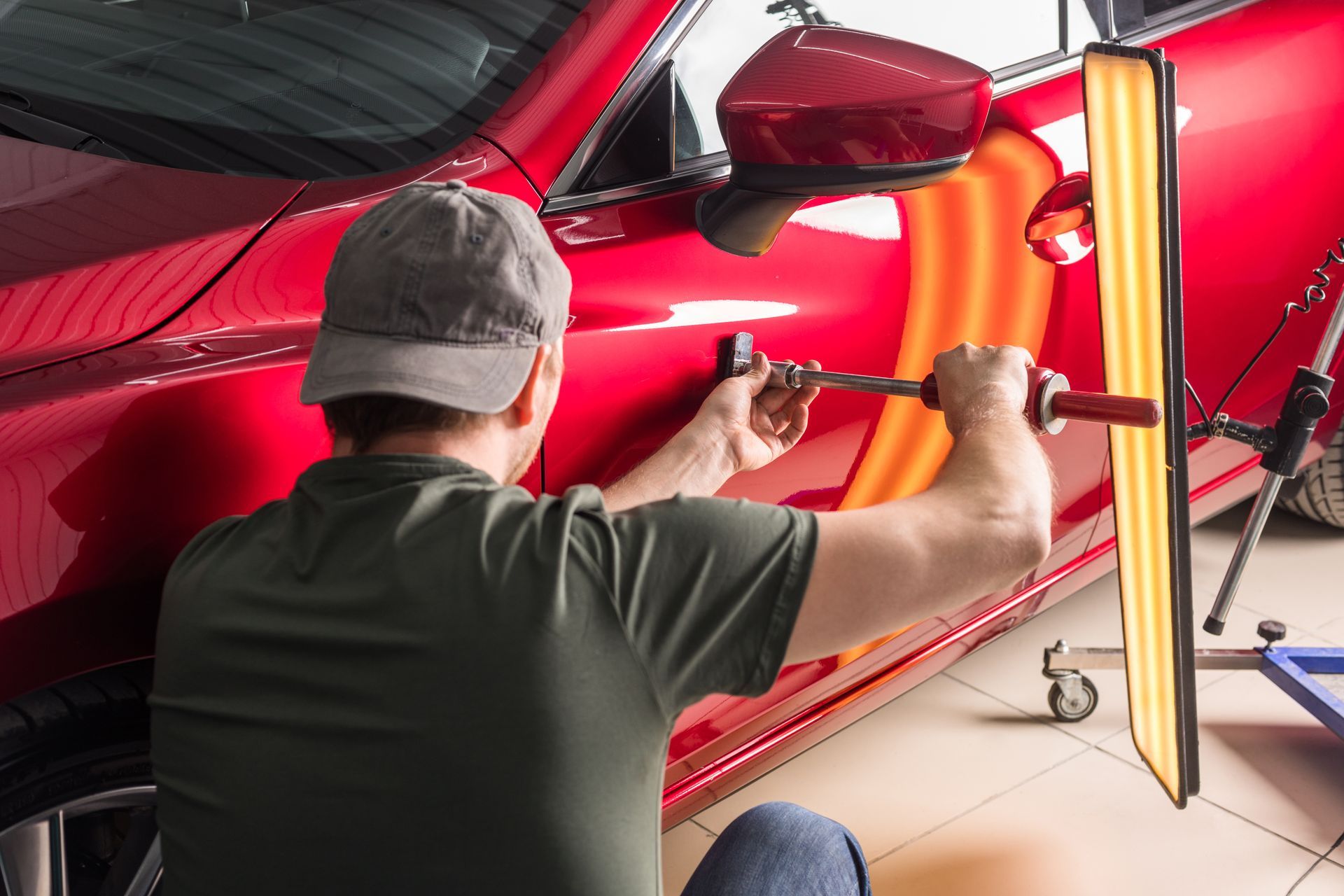
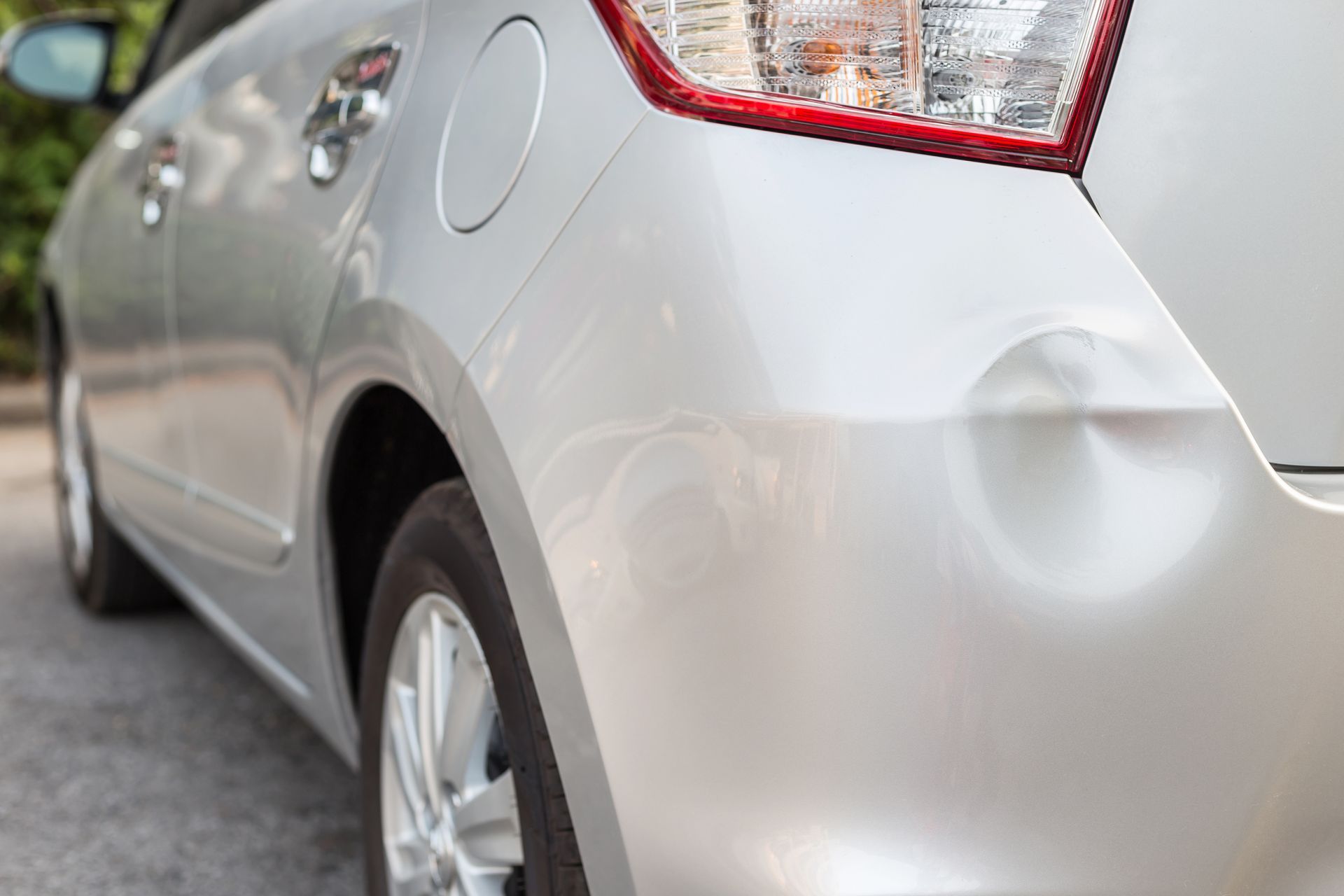
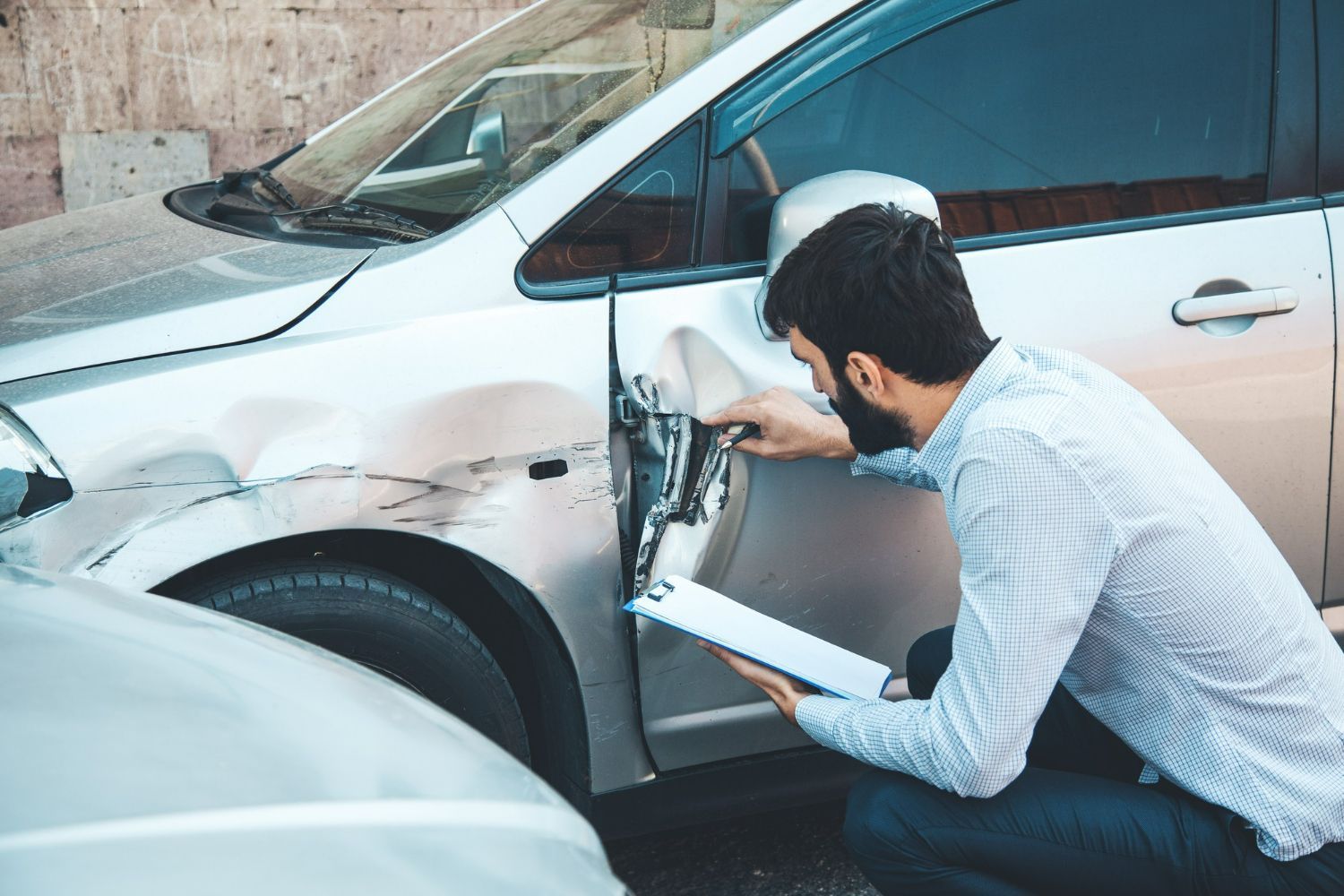
Traditional steel has a specific memory that allows technicians to pull and reshape it after a collision. Lighter automotive metals behave very differently under force. Once an alloy panel bends, it becomes highly resistant to returning to its original shape. Attempting to use standard pulling techniques on these panels often results in tearing or structural weakening.
Proper aluminium auto body repair requires localized heating and highly specialized reshaping methods. The technician must understand the exact heating thresholds of the material to avoid destroying the structural integrity of the part. This level of trade knowledge separates a permanent repair from a temporary visual fix.
The Hidden Danger of Cross Contamination
People frequently ask if any body shop can fix aluminium car panels. The honest answer is no, primarily due to the risk of galvanic corrosion. If fine steel dust from a standard repair bay settles onto a bare alloy panel, it triggers a severe chemical reaction. This contamination causes the paint to bubble and the panel to corrode from the inside out within months of the repair.
Discussing the scope of work and the specific materials involved openly keeps expectations clear for every repair.
► Client Experience: Overall great experience. Communication was very fluent and very transparent. Steve was very accommodating and took the time to discuss the scope of the work in details. Very pleased with the outcome and the final cost
Having a straightforward conversation about the exact metals your vehicle requires prevents surprises on the final invoice and ensures the job is handled safely.
The Required Equipment for Specialized Metal Work
To prevent cross contamination, professional shops utilize isolated clean rooms dedicated entirely to lighter metals. These areas maintain separate ventilation systems and house dedicated toolsets that have never touched standard steel. Even the sanding blocks and hammers must be strictly segregated.
This isolation extends to structural work as well. Complex automotive frame repairs involving advanced materials demand specific pulling jigs and measuring systems. The investment in this dedicated equipment reflects a shop's commitment to returning your vehicle to exact factory specifications.
Trusting the Right Facility with Your Vehicle
Modern automotive construction demands specific trade knowledge and an uncompromising approach to safety. Choosing a facility equipped to handle the unique requirements of your vehicle's materials ensures a lasting and reliable result. Contact our team to discuss your repair needs and get your vehicle back on the road safely.
Share This Blog