The Truth About “Lifetime Warranties” on Collision Repairs: What You Need to Know
Basco Collision Centre • June 29, 2026
When your vehicle is damaged in an accident, your insurance company will often recommend a “preferred” or “approved” collision repair facility, highlighting that the work comes with a lifetime warranty.
While this sounds like total peace of mind, many drivers don’t actually know how these warranties work—or what happens if something goes wrong down the road.
At Basco Collision Centre, we believe in complete transparency. Let’s break down the mechanics of an insurance lifetime warranty and outline exactly what you should do if you ever experience an issue with a past repair.
How the Lifetime Warranty Actually Works
The lifetime warranty offered by an insurer isn’t an insurance policy itself; it is a contractual obligation between the insurance company and the collision repair facility.
In almost all cases, it is the collision repair shop—not the insurer—that warranties the physical repairs. The insurer acts as the enforcer. They hold their preferred shops accountable by reminding them that a failure to correct workmanship issues can result in being removed from their lucrative "preferred shop" list.
While a shop isn't always legally obligated by the insurer to fix a problem, choosing an approved facility gives you leverage. If the original shop refuses to cooperate, your insurer has the power to step in and find an alternative solution for you.
The Process of a Second Opinion
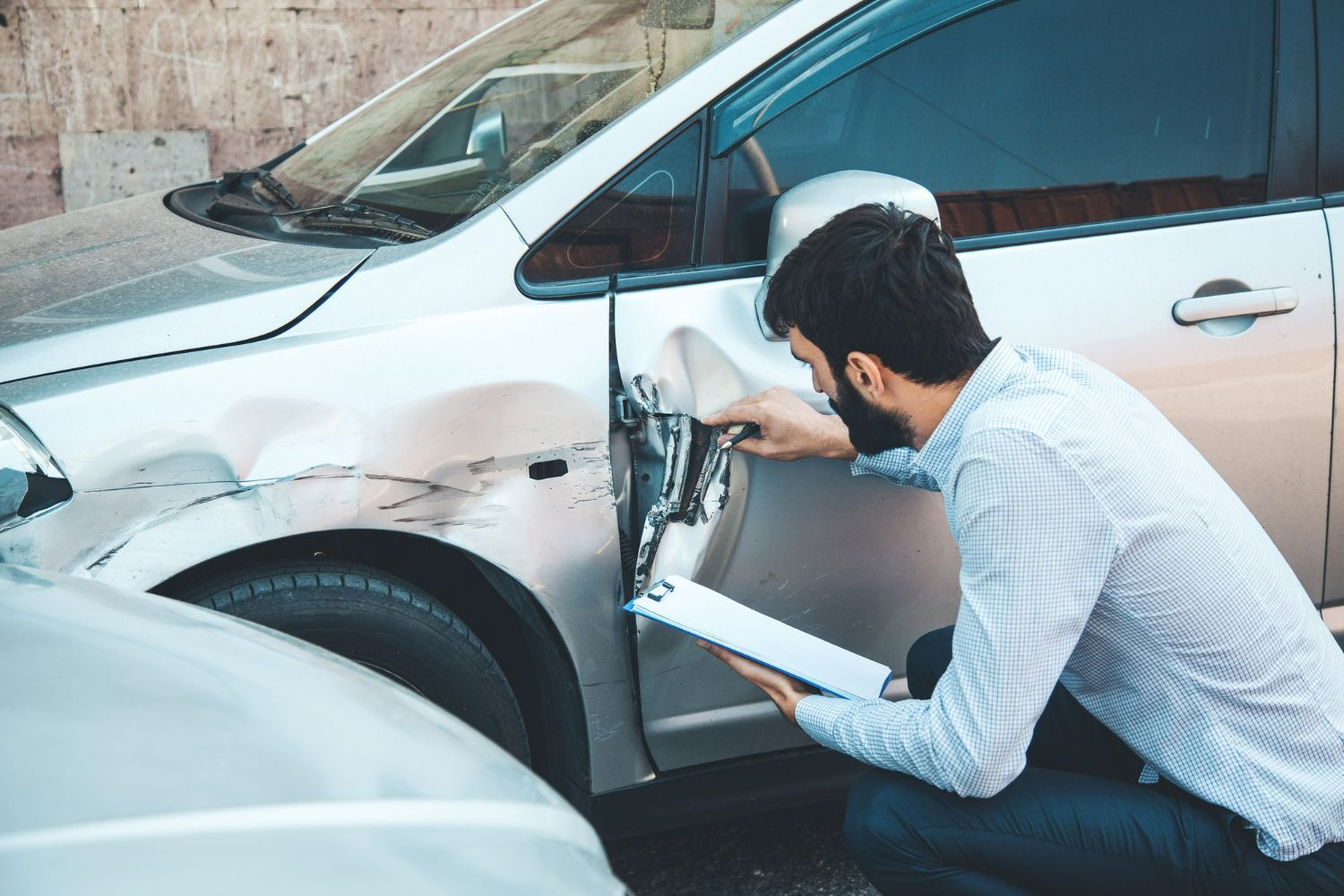
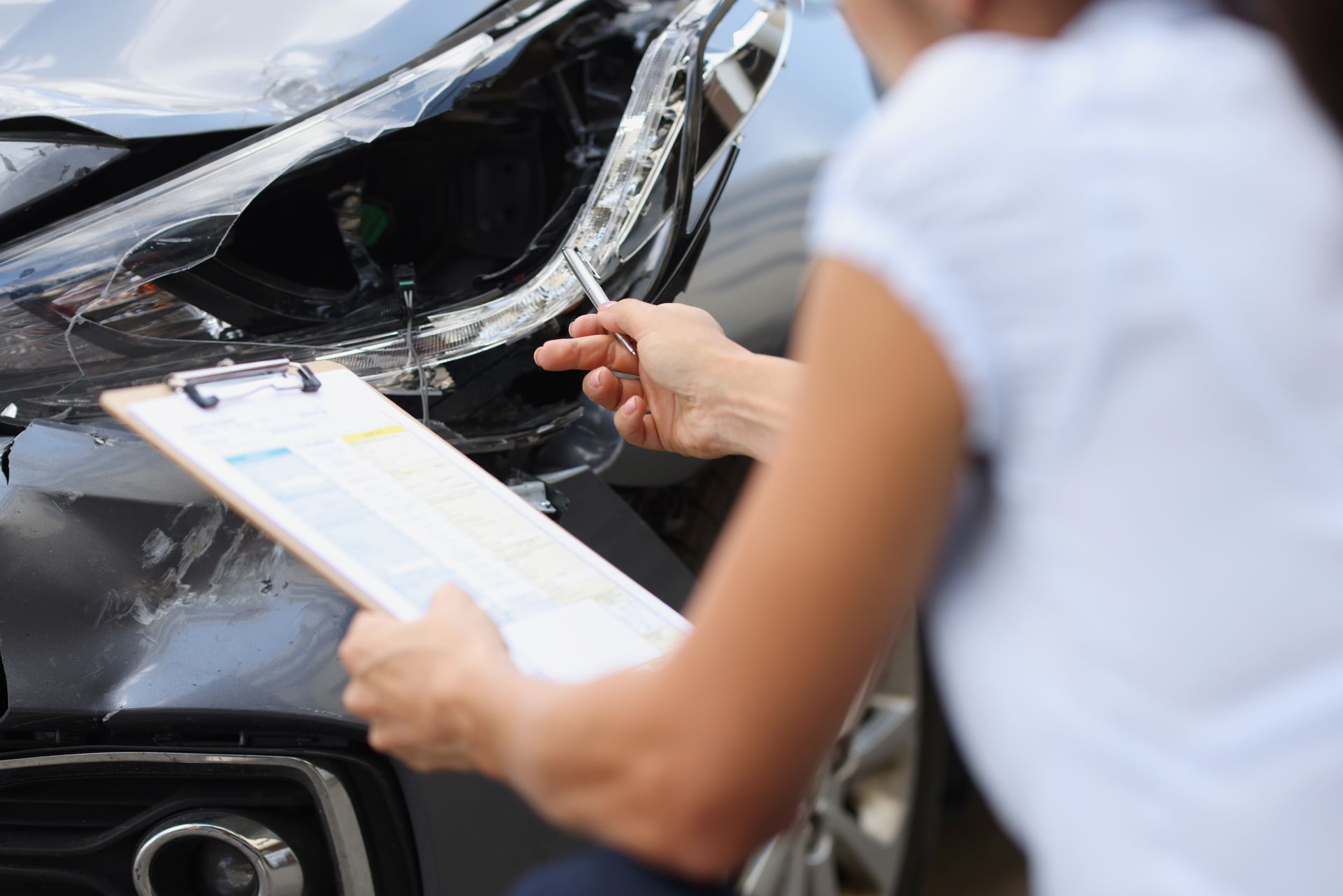
If a dispute arises, or if a repair fails, the insurer will typically send you to a second approved facility to investigate. When that second shop inspects your vehicle, they look at specific indicators to determine who is at fault:
- Symmetry: How does the unrepaired side of the vehicle compare to the repaired side?
- Pre-existing conditions: Do both sides of the vehicle show the same type of wear or issues? (If so, it may exonerate the original shop).
- Timeliness: Did the customer wait too long to report the issue?
Experienced collision repair technicians can easily spot the root cause of a defect—and they can tell if an issue grew worse because it wasn't reported immediately. If you wait too long to address a problem, the responsibility (and the cost) may unfortunately shift to you.
Step‑by‑Step: How to Properly Report a Warranty Issue
To save yourself time, money, and frustration, it’s important to handle repair concerns the right way. If you notice an issue with a past collision repair, follow this clear, step-by-step guide:
1. Report the Concern the Moment You Notice It
The second you see an inconsistency, paint defect, or mechanical issue, contact your insurer. They will document your concern in writing and officially start the claims process. Early reporting protects you and makes it much easier to prove that the issue is directly related to the original accident repairs.
2. Return to the Original Repair Facility First
Your insurer will almost always send you back to the shop that performed the original work. Regardless of how you feel about the situation, that facility must be given a fair and reasonable opportunity to inspect their work and correct the issue under their warranty.
3. Let the Shop Inspect and Respond
Allow the shop to assess the vehicle and present their solution.
- If they agree it’s a warranty issue: Get everything in writing—what they will repair, a confirmation of no charge, and a timeline. Schedule the fix, and if you need a rental car, coordinate with the shop to minimize the number of days your vehicle is off the road.
4. If the Shop Refuses to Cover It, Stay Calm and Document
If the facility claims the issue isn't covered under warranty:
- Do not argue or escalate the situation at the shop.
- Note down the name of the person you spoke with, the date, and exactly what was said.
- Contact your insurer immediately, explain the shop's refusal, and ask if another approved facility can provide a second opinion.
- Note: If you are uncomfortable with the shop your insurer suggests for a second opinion, let them know your preference. Insurers will typically accommodate your choice of an approved shop.
5. Prepare for Your Second Opinion
When taking your vehicle to the second facility, bring your original repair estimate, any photos of the vehicle from the time of the accident, and the contact information of your insurance representative. Providing full context helps the second shop make an accurate, unbiased assessment.
6. Be Patient—Warranty Reviews Take Time
Unlike a standard repair, warranty disputes require paper trails. Shops must wait for formal, written authorization from the insurance company before they can begin taking your vehicle apart or ordering parts. While the delay can be frustrating, this step protects both you and the repair facility.
Choose a Shop That Stands Behind Its Work
Navigating insurance claims and repair warranties can be stressful, but it doesn't have to be. By acting quickly and documenting your steps, you can ensure your vehicle gets restored to pre-accident condition without the headache.
Have questions about a previous repair or looking for an auto body shop you can trust?
Contact the team at Basco Collision Centre today.
Share This Blog